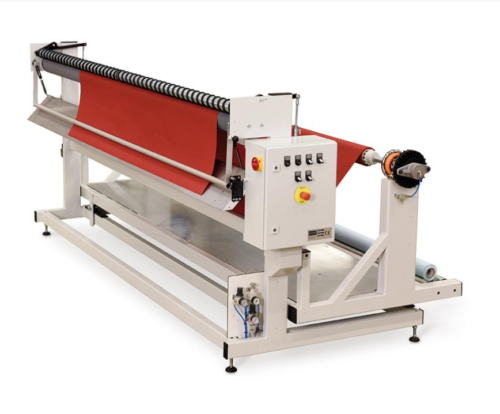
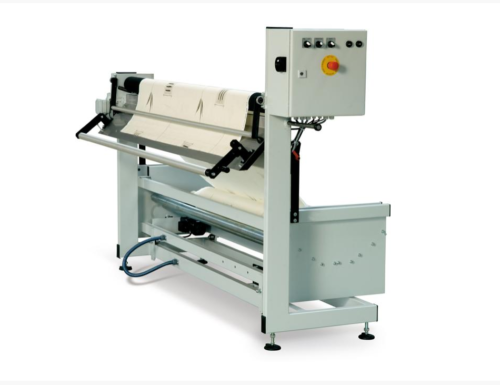
Unwinding devices
Unwinding devices are used for controlled release and feeding of rolled or spooled materials — such as fabrics, films, paper, textiles, or other substrates — into a production process or cutting system. The equipment ensures that the material is unwound evenly from the spool or roll without tension, damage, twisting, or slipping, thereby improving processing smoothness and quality. Key Features: Even material feeding – the system ensures continuous and smooth transport of the material to the next production stage without irregularities. Adjustable tension and braking – essential for maintaining proper unwinding dynamics according to the type of material and production requirements. Compatibility with various roll materials – fabrics, films, paper, plastics, or composites. Automation and integration – devices can be connected to production lines or cutting systems, allowing synchronized material feeding. Safe handling of large rolls – robust construction enables work with bigger spools while minimizing the risk of material damage or operator injury. Typical Applications: Textile and garment production – unwinding fabric rolls for subsequent cutting or trimming. Packaging and film production – feeding plastic or film rolls for cutting, printing, or laminating. Paper and printing industry – unwinding paper rolls before cutting, printing, or further processing. Composite and technical materials – feeding rolled materials into automated machines requiring high precision and stable feeding. Advantages: Reduces production downtime and errors associated with manual unwinding. Improves material processing quality in subsequent production steps. Enables smoother production lines with less operator intervention. Optimizes material usage — less waste thanks to even feeding.