


Threads
The “Threads” category represents a key consumable material for sewing, textile production, and repair work. Threads differ in material, construction, and purpose, making the correct choice essential for stitch quality, seam durability, and the overall appearance of the finished product. Our assortment includes a wide range of threads suitable for various textile applications. The most common types include: Cotton threads – made from natural cotton, these threads have a soft matte finish and low elasticity, making them ideal for cotton, linen, or quilting fabrics. Polyester threads – synthetic threads that are very strong, resistant to wear and chemicals, and handle washing and drying well. Blended (core-spun) threads – combine the benefits of polyester and cotton. They feature a strong core (e.g., polyester) with a cotton or polyester wrapping, providing strength while maintaining a pleasant feel. Nylon threads – highly elastic, durable, and abrasion-resistant, though they have lower heat resistance, which is important to consider when ironing. Rayon (viscose) threads – smooth and shiny, excellent for decorative stitching and embroidery, but with lower strength compared to synthetic threads. Other specialized threads may include metallic, elastic, or monofilament threads depending on specific needs. Thread construction is just as important as the material. Threads can be twisted, two- or multi-ply, or core-spun (fiber wrapped around another fiber). Each manufacturing method affects strength, elasticity, and stitch appearance. The twist direction (“S” or “Z” twist) also influences sewing behavior and the thread’s ability to hold its shape. Choosing the right thread depends on several factors. Natural fabrics often work best with cotton threads, while synthetic fabrics (such as polyester) are better suited to synthetic threads. Decorative stitches and embroidery benefit from shiny, fine threads like rayon, whereas strong seams require durable threads. For projects exposed to wear and tear (e.g., bags, outdoor textiles), strong and resilient threads such as polyester or core-spun are recommended. Thread color, thickness, and finish can significantly affect the visual impact of stitches. Using high-quality threads offers multiple advantages. They enhance seam durability and extend product lifespan, reduce the risk of thread breakage, skipped stitches, or tension problems, and ensure a professional, aesthetically pleasing finish. High-quality threads also contribute to efficient machine maintenance, as they break less frequently and put less strain on needles.
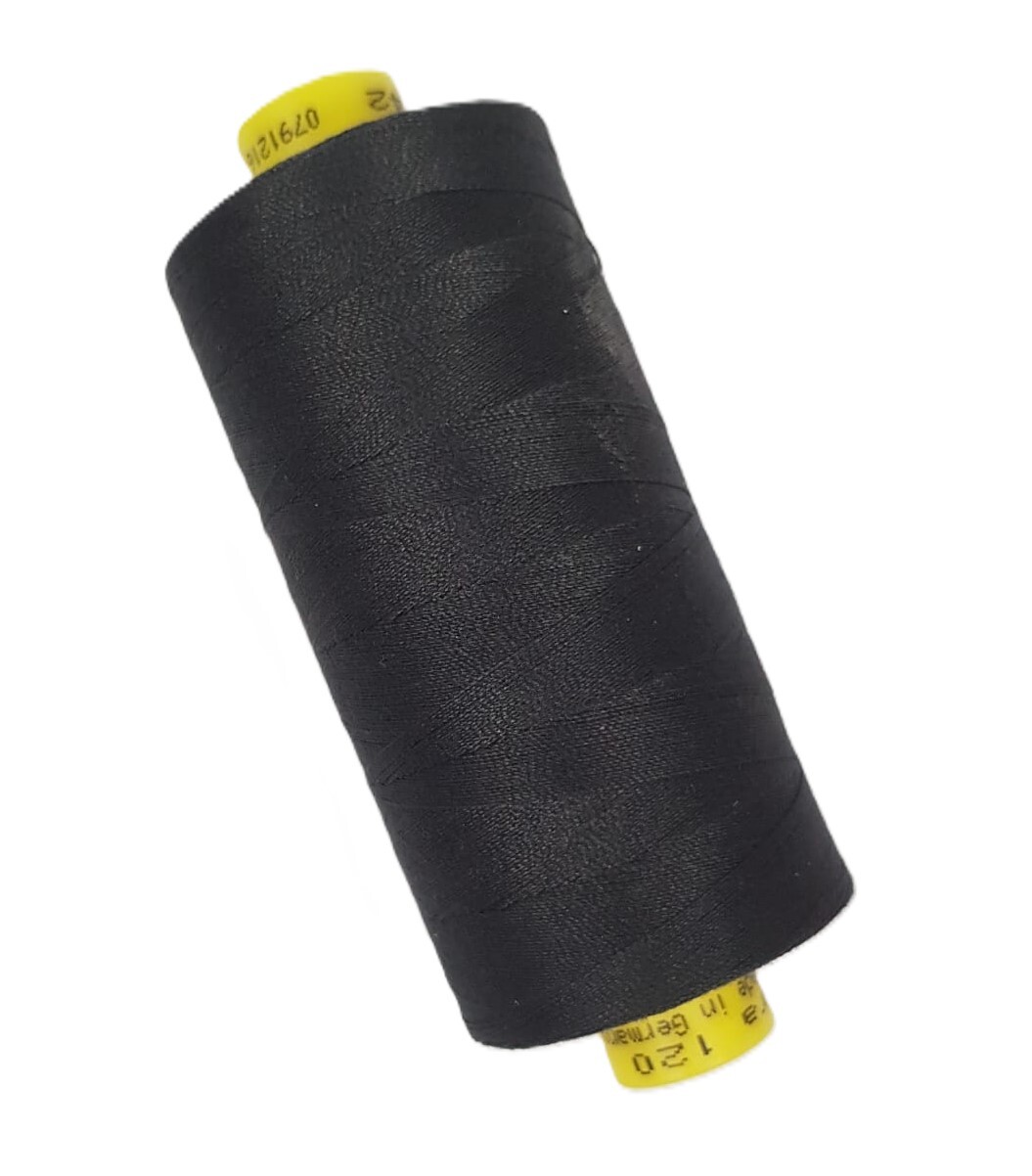
Gütermann Mara 120/542
Learn more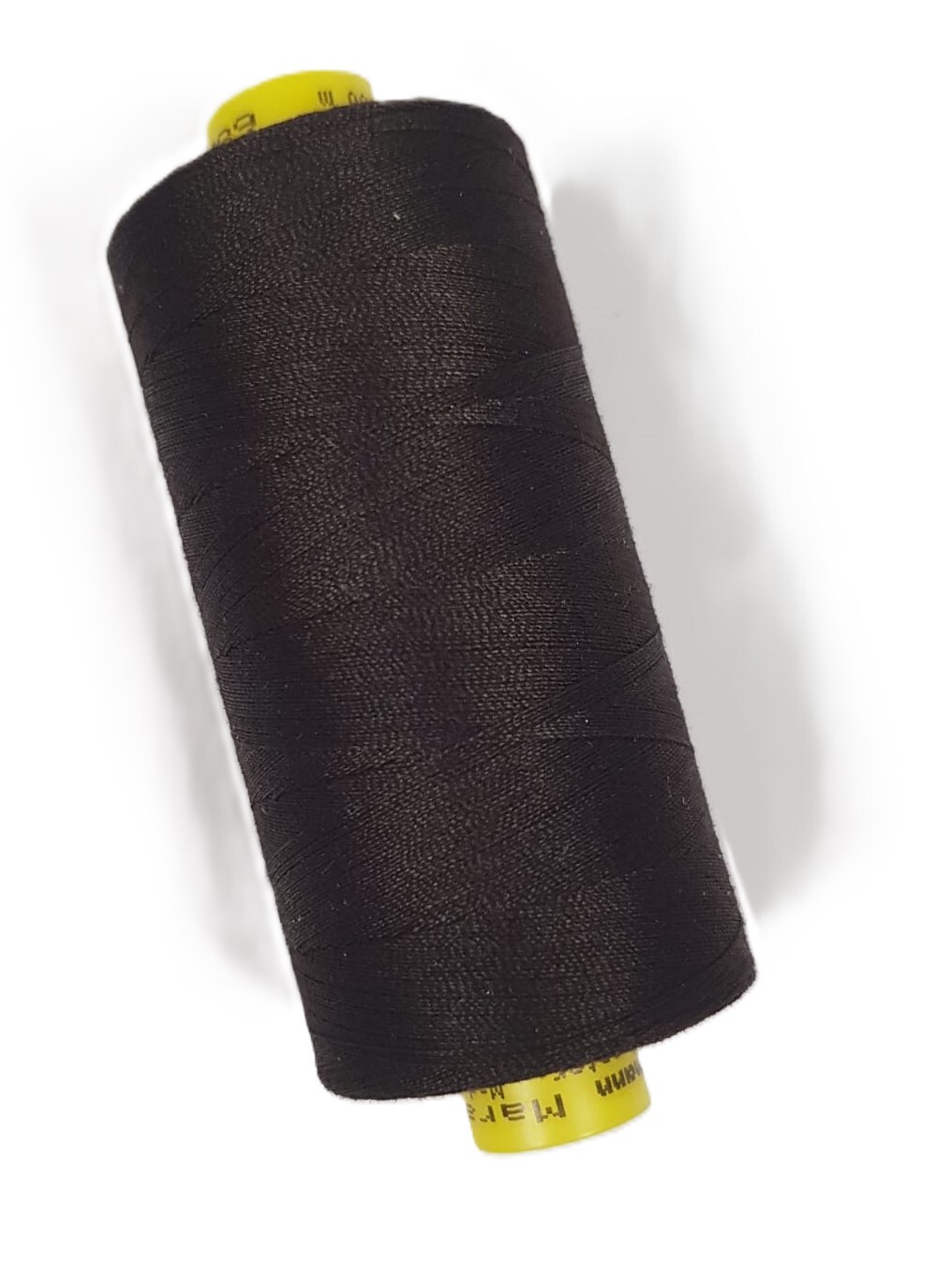
Gütermann Mara 120/682
Learn more
Ascolite shirring threads
Learn more
Gütermann Calora UV
Learn more
Gütermann Solbond
Learn more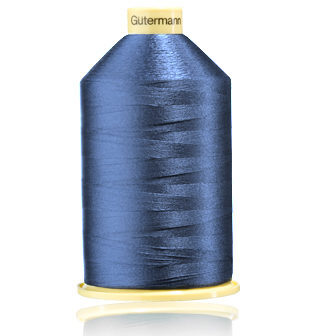
Gütermann Zwibond
Learn more
Gütermann Tera
Learn more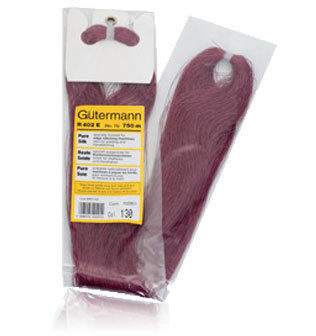
Gütermann R 402E
Learn more
Gütermann Piuma
Learn more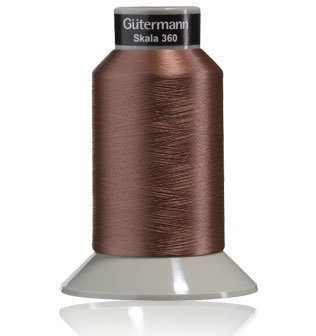
Gütermann Skala
Learn more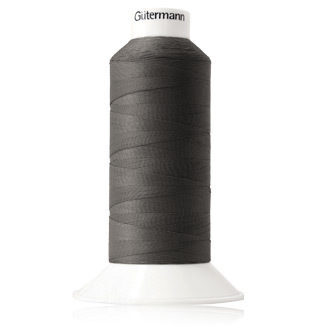
Gütermann Maraflex
Learn more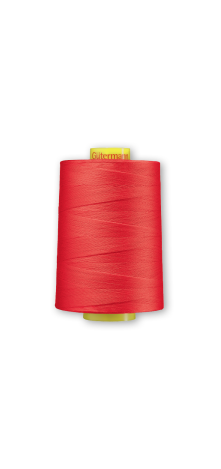
Gütermann Mara 220
Learn more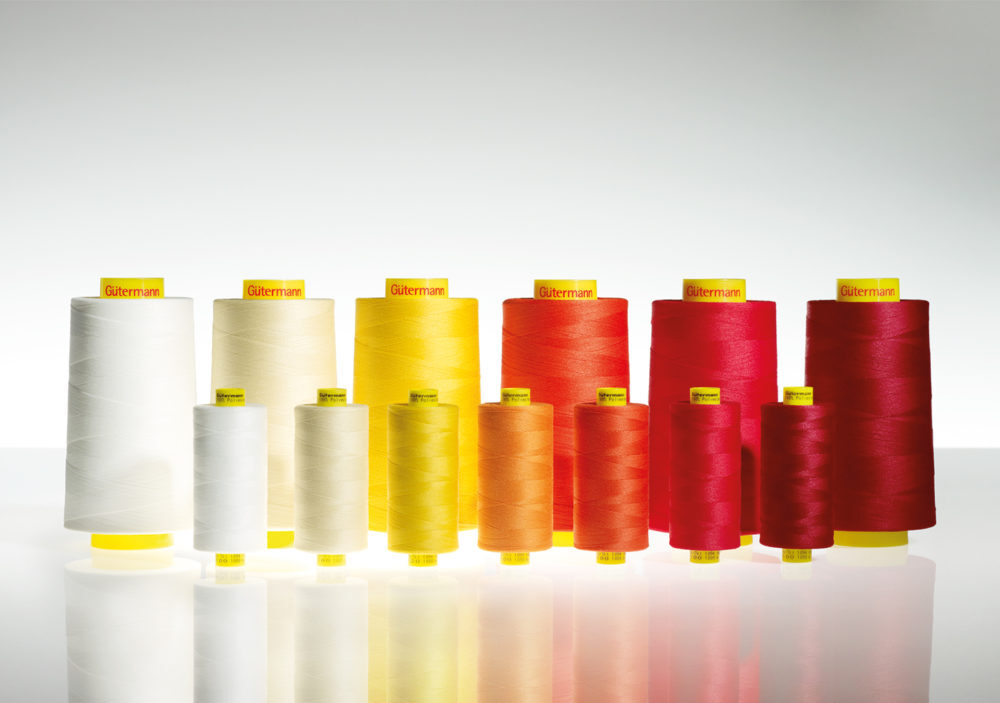
Gütermann Mara
Learn more